
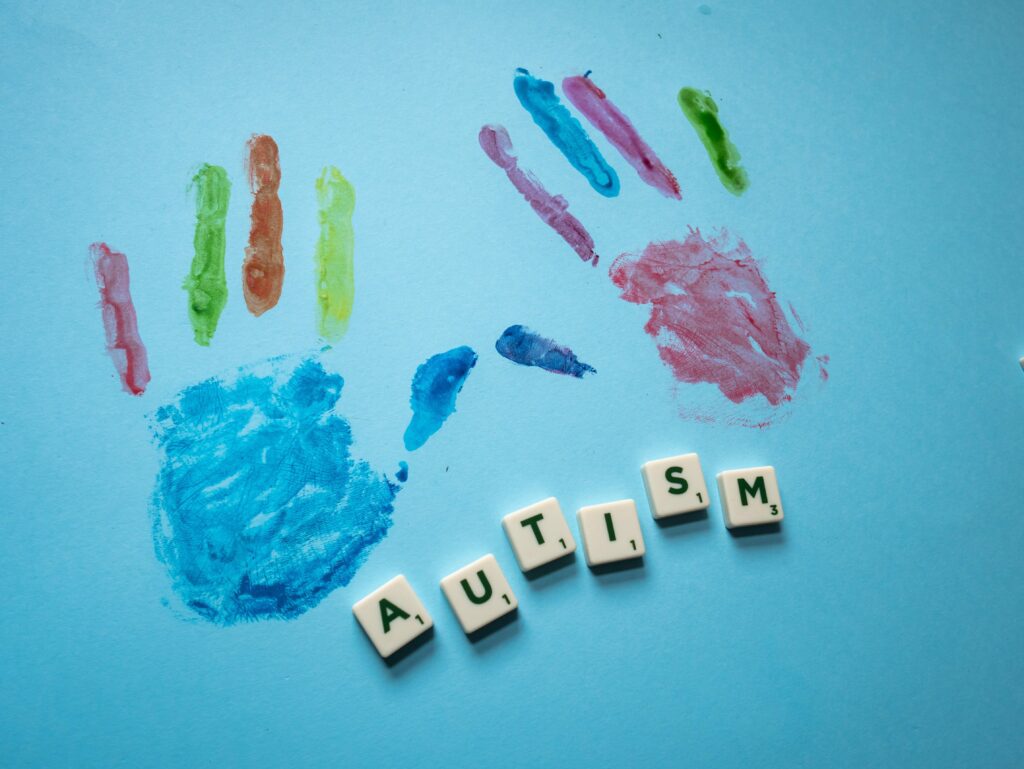
Autism Spectrum Disorder (ASD) isn’t something to be fixed. It’s not a broken piece needing repair—it’s a different way of experiencing the world. And that’s not just okay—it’s human.
As of 2023, about 1 in 36 children in the U.S. aged 8 have been identified as autistic, which is higher than previous data.
That number isn’t a sign of an epidemic—it reflects how much better we’ve gotten at recognizing and understanding autism in all kinds of kids across every community.
If you’re a parent, caregiver, educator, or simply curious about what ASD means, this guide is here to help you.
What Is Autism Spectrum Disorder?
It is a lifelong neurodevelopmental condition—basically, a brain that’s wired differently from the norm.
It affects how someone communicates, processes emotions, interacts socially, and navigates sensory input. It’s not contagious, and it’s not caused by poor parenting or excessive screen time.
What It Means to Be Neurodivergent
People with autism fall under the umbrella of neurodivergence, which means their brains work differently from what’s considered “neurotypical.”
That can manifest in many unique ways—through different approaches to thinking, communicating, learning, or responding to the world. And yes, it often includes extraordinary focus, honesty, and a refreshing lack of pretense.
Why “Spectrum” Fits
There are no two individuals with autism who are the same. Some people don’t speak at all, while others talk a lot. While some people thrive on variety, others adore routine.
Autism is not a one-size-fits-all disorder; rather, it is a spectrum. Because of this, each diagnosis is unique and extremely personal.
Busting the Myths
Let’s set the record straight: Vaccines(like mumps, measles, rubella) don’t cause autism.
The science is overwhelming and clear on that. What are the most likely causes? A mix of environmental, genetic, and early developmental factors before birth.
Who’s Affected by Autism?
ASD begins before the age of 3 years and can last throughout a person’s life, although symptoms may change over time.
Autism doesn’t play favorites. Kids of every race, background, and gender can be autistic. Males have historically been diagnosed more often.
Thanks to more inclusive research and better screening tools, recent CDC data shows that children of color—Black, Hispanic, and Asian—are now being diagnosed at similar or even higher rates than white children.
Girls, long underdiagnosed due to different symptom presentations (often called “masking”), are also being recognized more accurately.
Early Signs of Autism

These are specific behaviors that healthcare providers look for during diagnosis to understand how best to support a child.
It’s crucial to remember that these aren’t signs that something is “wrong,” but rather signs of difference that may indicate a need for support in navigating a world often designed for neurotypical individuals.
Most of the traits associated with autism fall into two broad areas:
- Differences in social communication and interaction
- Repetitive behaviors, restricted interests, or intense routines
Social Communication & Interaction Differences
Depending on the child’s age, personality, and experiences, social differences may show up in different ways. Teenagers can show quite different behaviors from toddlers.
In Toddlers (Around Age 2)
At this stage, you might see that a toddler:
- Doesn’t keep eye contact or avoid looking where you’re pointing.
- Doesn’t answer to their name.
- Seems uninterested in shared play like peek-a-boo or pat-a-cake.
- Does not show you things or bring you toys.
- Use your hand to get something rather than asking or pointing.
- Prefers solo play and doesn’t seem eager to interact with others.
- Might not smile back or show the usual “social spark” that toddlers often do.
In Older Children
As kids grow, communication challenges may evolve. You might notice:
- A tendency to focus conversations on one topic, often without much give-and-take.
- A lack of interest in starting conversations or making friends.
- Difficulty expressing emotions or understanding the emotions of others.
- Trouble with nonverbal communication (e.g., they might speak while looking away).
- A unique tone of voice—either monotone or sing-song.
- Missing social subtleties, like facial expressions or sarcasm.
In Adolescents
Teen years bring their challenges, and for autistic adolescents, social interactions can feel even more complex. You might observe:
- Struggles with sarcasm, idioms, or jokes that rely on double meanings.
- Rarely initiating conversations or reaching out to connect.
- Minimal or inconsistent eye contact.
- Difficulty coordinating their facial expressions or gestures with what they are saying.
- Feeling more comfortable around adults or younger kids than peers.
- Challenges understanding other people’s points of view.
- Seeming unaware of unspoken social “rules,” like how close to stand or when to say “hi.”
- Sometimes appearing detached, withdrawn, or “in their world.”
None of these things make someone “less than”—but they might mean your child sees the world differently, and that’s worth understanding.
Restricted and Repetitive Behaviors
Many autistic individuals also engage in repetitive movements, intense routines, or hyper-focused interests. These behaviors often serve a purpose—Whether it’s self-soothing, expressing excitement, or providing a sense of control, these behaviors frequently have a purpose.
In Toddlers
In younger children, you might notice:
- Repeating the same sounds or phrases (called echolalia).
- Hand-flapping, rocking, spinning, or other rhythmic movements.
- Fixating on a part of a toy, like endlessly spinning the wheels of a toy car.
- Deep distress when a routine changes unexpectedly.
- Carefully lining up toys and reacting strongly if the order is disrupted.
- Intense aversions to certain textures—either in food or on their skin.
- Fascination with everyday objects, like fans, spoons, or light reflections.
In Older Children and Teens
In school-aged kids and adolescents, these patterns may shift slightly:
- Repeating lines from favorite books, shows, or movies verbatim.
- Difficulty moving from one task to another (transitions are hard).
- A strong preference for routines, often with very little wiggle room.
- Highly focused interests, sometimes bordering on encyclopedic knowledge.
- Collecting items or fixating on a particular subject for weeks or years.
Let’s Talk Strengths
Autistic individuals have plenty of strengths worth celebrating. These might include:
- A strong sense of justice and morality
- The courage to speak their mind or “go against the crowd,” even when it’s unpopular.
- Direct and honest communication.
- A natural capacity to relate to people of all ages.
- Strong nonverbal reasoning skills.
The goal isn’t to make them “fit in” but to support them in becoming the best version of themselves.
What Causes Autism?

The exact cause of autism isn’t a single factor, but rather a complex interplay of genetics and certain factors during pregnancy, labor, and delivery (sometimes called “environmental factors” or “prenatal events”).
These elements combine to shape the brain differences seen in autism. Some factors that may increase the likelihood of autism include:
- Becoming pregnant over the age of 35.
- Getting pregnant within a year after giving birth to another child.
- Having diabetes during pregnancy.
- Bleeding while pregnant.
- Taking specific drugs during pregnancy, such as valproate.
- Fetal size that is smaller than anticipated (intrauterine growth restriction).
- Reduced delivery of oxygen to the fetus during pregnancy or delivery.
- Premature birth
Getting a Diagnosis
Most kids get screened during their 18-month and 24-month checkups during well-child doctor visits with various screening tools.
Screening tools do not provide conclusive evidence of developmental delays and do not result in diagnoses. A positive screening result should be followed by a thorough assessment .
The main goal of early diagnosis is to begin treatment services as soon as possible, which is the sooner the better.
What Professionals Look For:
Healthcare professionals do not “treat” autism spectrum disorder in the sense of curing it because it is not a disease.
Instead, the goal is to manage the aspects of autism that might pose challenges and to help individuals maximize their strengths. A child to be diagnosed with ASD, they must show:
- Persistent challenges in social interaction and communication
- At least two patterns of repetitive behavior or restricted interests
There’s no blood test for autism—it’s about careful observation, developmental history, and professional expertise.
What Happens After Diagnosis?
Once a diagnosis is confirmed, the real work begins—and it’s filled with possibility.
Therapies That Help:
- ABA Therapy; which is built on the simple idea that kids are more likely to repeat behaviors that get rewarded, and when certain behaviors aren’t reinforced, they tend to fade away over time.
- Speech Therapy for language development.
- Occupational therapy to assist with sensory issues and everyday routines.
- Social Skills Groups to practice peer interaction
- An AAC (Augmentative and Alternative Communication) tool helps people with speech or language challenges communicate more easily using symbols, pictures, text, or voice output.
It’s also common for autistic individuals to have co-occurring conditions that require their support or treatment. These might include:
- Attention-deficit/hyperactivity disorder (ADHD)
- Anxiety disorders
- Epilepsy or seizure disorder
- Intellectual disabilities
- Obsessive-compulsive disorder (OCD)
- Sleep disorders commonly insomnia, parasomnias, and circadian rhythm sleep-wake disorders
- Digestive issues like constipation
Whole-Person Support
According to CDC data, more than 70% of autistic children have at least one other condition, like ADHD, anxiety, epilepsy, or gastrointestinal issues. A well-rounded care plan might involve pediatricians, therapists, educators, and behavioral specialists.
What About Adults with Autism?

Here’s something people don’t talk about enough: autism doesn’t disappear in adulthood.
Yet services for autistic adults often fall short. Support is needed in areas like:
- College or trade school accommodations
- Job training and career support
- Housing options and independent living skills
Planning for adulthood should start in the teen years, especially when it comes to securing services and building life skills.
To Every Parent and Caregiver: You’ve Got This
You don’t have to be perfect while raising a neurodivergent child. It all comes down to being present, learning from one another, and relying on your support system.
If you feel overwhelmed, you’re not alone. Look for a therapist who gets it. You can join a support group, either online or locally. When necessary, take breaks. Your support is important, and you are the child’s expert.
Let’s Walk This Path Together
At Total Point Urgent Care, we’re here to support families at every stage—from those first screening questions to referrals, therapy planning, and beyond.
Reach out today to schedule a developmental screening or telehealth consultation. Your child deserves care rooted in respect, not restriction. And we’re here to help make that happen.
We provide quick, reliable, and affordable treatment at our urgent care locations across
Texas.
- Abilene West, TX
- Abilene East, TX
- Athens
- Corsicana
- Daingerfield
- Ennis
- Hallsville
- Lindale
- Mansfield
- Allen
- Whitehouse
- Jacksonville
- Wheatland (Dallas)
as well as in Missouri,
FAQs
When can autism be diagnosed?
Usually around 18 months, but signs may show earlier.
Do boys get diagnosed more than girls?
Historically, yes. But girls often mask symptoms and are now being identified more, thanks to improved screening.
Can autistic people live independently?
Yes! With the right support, many autistic adults live fulfilling, independent lives.
Is there a cure for autism?
No—and that’s okay. Autism isn’t something to cure, but to support.
What if I suspect my child is autistic?
Talk to your pediatrician. Ask for a screening. You don’t need all the answers—you just need to start the conversation.