
Summer’s supposed to be easy, right?
Whether we’re road-tripping with friends, grilling in the backyard, or just watching the kids run through the sprinklers, it’s when we create the best memories. However, occasionally the sun, which we adore about summer, turns against us.
In actuality, extreme heat can make you sick, and most people are unaware of this until it’s too late.
This guide will explain how heat affects your body, what symptoms to look out for, and how urgent care can help you recover if the summer heat finally gets to you.
Heat and Your Health
Heat is typically associated with discomfort rather than danger. However, the toll on our health increases with each year’s temperature.
According to the CDC, 119,605 heat-related illness emergency department visits were reported in the U.S., with most (92%) of cases occurring between May and September.
Our bodies aren’t designed to withstand prolonged exposure to heat, particularly when we don’t get enough sleep, shade, or water.
What Heat Does to the Body
Your Body’s Cooling System—And When It Breaks Down
When it’s hot outside, your body has to work harder to regulate its temperature. You sweat. Your heart beats harder and faster. Blood vessels widen to transmit heat to the skin’s surface.
However, if it is too hot or humid for a long time, that system starts to fail. The result is that you start losing too much water, salt, and energy. At that point, dehydration, heat exhaustion, and even heat stroke could occur.
Who’s Most Vulnerable?
Anyone can get sick from the heat, but these groups face a higher risk:
- Older adults and young children
- People who suffer from long-term illnesses (such as heart, lung, or kidney disease)
- Athletes and outdoor workers
- Individuals taking medications: Many drug lists cause sensitivity to sunlight, some of the OTCs are :
NSAIDs like ibuprofen, Naproxen, celecoxib, piroxicam
Antihistamines like cetirizine, diphenhydramine, loratadine, promethazine, cyproheptadine
Other drug groups like antibiotics, diuretics, antifungals,lipid-lowering agents, retinoids, and OCPs, which you can learn more about from your health care provider.
If you fall into any of these groups—or care for someone who does—it’s crucial to take heat seriously.
Signs the Heat Is Hitting Too Hard
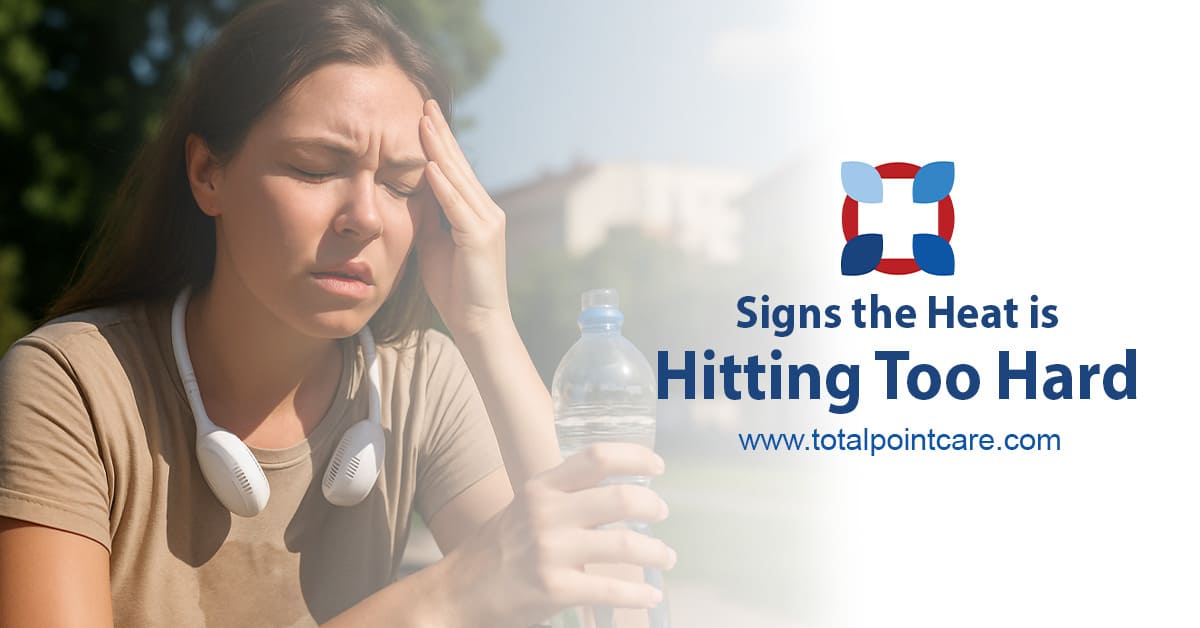
1. Heat Exhaustion: The Body’s Warning Signal
This is usually the first sign that your body is getting too hot. It often happens when you lose too much water and salt through heavy sweating.
You might start to feel:
- Elevated body temperature
- Headache
- Dizzy
- Weakness
- Nauseous
- Clammy skin with heavy sweating
- Decreased urine output.
What to do:
Get out of the heat. Drink cool water, sip an electrolyte-containing beverage, relax in a cool location, and take off tight clothes.
People working in an outdoor hot environment should cool their bodies with cool compresses or have their heads, faces, and necks washed with cool water.
It’s time to go to Urgent care or Emergency care if you don’t feel better in 30 to 60 minutes.
2. Heat Stroke: A Medical Emergency
Heat stroke occurs when your body temperature rises above 103°F and can reach up to 106°F or even higher within 15-20 minutes, and it can’t cool down on its own.
You Notice :
- Confusion or altered mental status
- Very high body temperature
- Loss of consciousness
- Sometimes abnormal body movement
- Profuse sweating with hot or dry skin
Call 911 immediately and take steps to cool yourself off while waiting for emergency help to arrive, as heat stroke is life-threatening if not treated right away. It can cause brain damage, organ failure, or even death. That’s why fast action is critical.
Here’s what to do immediately if someone shows signs of heat stroke:
- Move them to a cool, shady spot.
- Take off any extra clothing to help them cool down.
- Cool them fast using whatever you can:
- A cold water or ice bath is best, if available.
- Wet their skin with water or use cold, damp cloths.
- Soak their clothes with cool water.
- Use a fan or create airflow to help lower their body temperature.
- Place cold, wet cloths or ice packs on key areas like the head, neck, armpits, and groin.
3. Dehydration & Heat Cramps: The Silent Side Effects
Your mood, focus, and stamina can all be affected by even mild dehydration. Additionally, painful muscle cramps, particularly in the arms, legs, or abdomen, are common in extremely hot weather.
Look for:
- Pain or spasms in the abdomen, arms, or legs.
- Dark yellow urine or reduced urination
- Dry mouth or chapped lips
- Feeling tired, weak, or lightheaded
What helps:
Water is great, but in the summer, you may need more. Consuming beverages that contain potassium and sodium, like sports drinks or electrolyte powders, can help your body recover the nutrients it loses through perspiration.
4. Heat Rash & Sunburn: More Than Skin Deep
- Heat rash can be identified by red, itchy, and raised spots that are frequently found where sweating gathers, such as under the arms, behind the knees, or along the waistband.
- Blisters, peeling, excruciating pain, and long-term skin damage are all consequences of sunburn.
Repeated exposure to the sun over time can cause sunspots, premature aging, and even an increased risk of skin cancer.
Basic care at home:
To cool your skin and feel better: wear loose, light clothing, take cool showers or baths, stay hydrated, and apply broad-spectrum(UVA+UVB) sunscreen.
If your skin feels itchy or prickly, try soothing it by gently placing something cold, like a damp washcloth or some ice wrapped in a towel, on the area for about 20 minutes.
Learn more in our blog: The Sun and Your Skin—What You Should Know.
If your sunburn or rash isn’t improving with basic care, visit urgent care near you to prevent it from getting worse or infected.
Let’s be real—You won’t spend the summer indoors. Nor should you. However, a little preparation will help you stay cool and continue with your summer plans.
Stay Hydrated—Before You’re Thirsty
It’s dangerous to wait until you’re dehydrated, especially in the summer heat, because your thirst mechanism only activates when you’re already a little dehydrated.
Aim to:
- Drink 8–10 glasses of water a day
- Add electrolyte drinks during long outings or workouts.
- Limit caffeine, alcohol, and sugary drinks.
Pro tip: Snack on water-rich fruits like watermelon, cucumbers, and strawberries to boost hydration naturally
Want to dive deeper into how fluids keep your body functioning properly? Check out our full guide on The Importance of Staying Hydrated.
Dress to Deflect Heat
- Loose, breathable fabrics (cotton, linen)
- Light colors to reflect sunlight
- Hats and sunglasses with UV protection
Some clothing brands even offer built-in UPF, which can be a game-changer if you’re outside for long periods. Still, apply broad-spectrum (UVA+UVB) sunscreen to exposed skin and reapply.
Avoid Peak Heat Hours
Try to stay indoors during the hottest part of the day—typically 10 a.m. to 4 p.m. If you need to be out:
- Take frequent breaks in the shade
- Use cooling towels or fans.
- Don’t push yourself to keep going “just a little longer.”
When to Visit Urgent Care for Summer Heat Symptoms
Sometimes, at-home care just isn’t enough. If you’re not bouncing back, don’t wait it out. Visit urgent care if you experience:
- If someone still feels unwell after 30 minutes of cooling down, resting, and staying hydrated.
- Vomiting or diarrhea that won’t stop
- Confusion or disorientation.
- Body temperature remains dangerously high.
- Symptoms of dehydration that don’t improve with fluids
- Skin feels hot but is not sweating.
- Loss of consciousness
If they lose consciousness, place them in the recovery position while waiting for emergency help to arrive.
At Total Point Urgent Care, we’re equipped to treat heat exhaustion, dehydration, sunburn, heat rash, and more. Walk-ins are welcome, and telehealth is available if you’re unsure whether to come in.
We’re Here When the Heat Hits
Summertime fun doesn’t have to be sacrificed for safety. However, you must be smart about it. Despite the extreme heat, you can still enjoy every sunny day that lies ahead if you take a few precautions and have a reliable urgent care team on call.
If something feels off, don’t wait it out.
Stop by any of our Total Point Urgent Care locations in Texas or Missouri, or book a telehealth visit today.
We’re here to help you feel better, faster.
FAQs
What are the signs of heat exhaustion?
Heavy sweating, dizziness, nausea, cramps, and fatigue. If symptoms don’t improve with rest and hydration, seek medical attention.
How dangerous is heat stroke?
Very. It can be fatal or cause permanent damage if not treated quickly. Call 911 if someone shows signs like confusion, unconsciousness, or stops sweating.
Can urgent care treat heat stroke?
No. Heat stroke is an emergency—go to the ER. Urgent care can treat less severe cases like heat exhaustion, dehydration, or sunburn.
Is water enough to stay hydrated in summer?
Sometimes yes, but if you’re sweating a lot, you’ll also need electrolytes. Sports drinks, coconut water, or electrolyte powders can help.
What’s the best way to prevent summer heat illness?
Stay hydrated, wear light clothing, avoid peak heat hours, and know your risk factors—especially if you take medications or have chronic health issues.

Related Articles