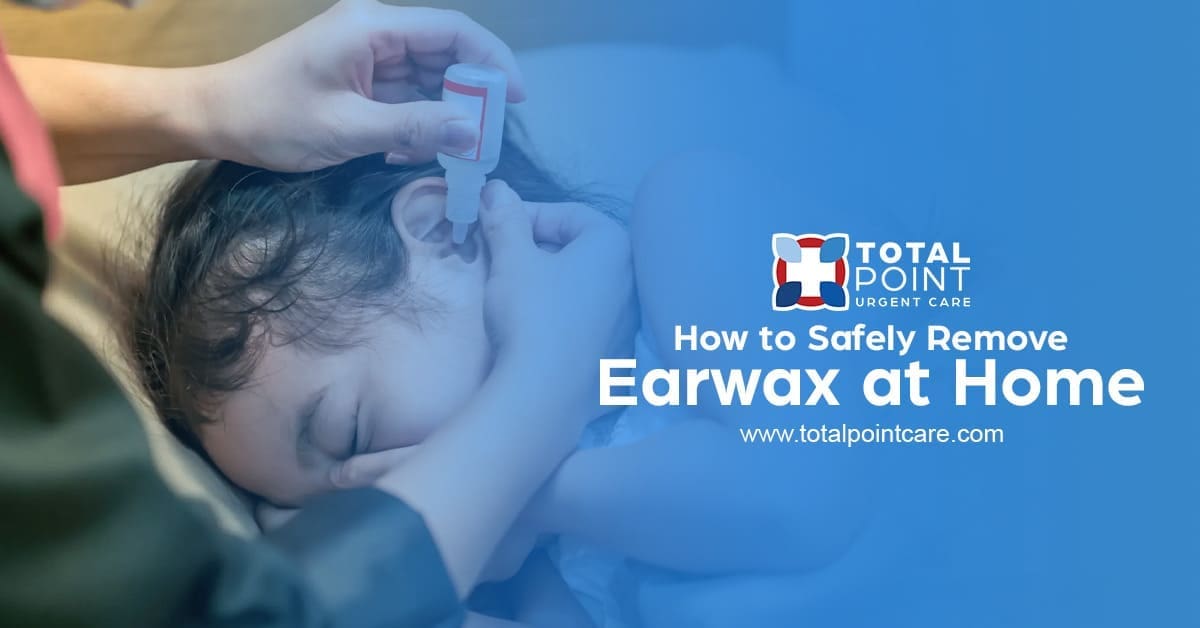
Known in the medical world as cerumen, earwax is your body’s natural ear protector. It traps dirt, slows the spread of bacteria, and keeps your ear canal from drying out.
Knowing how to safely remove earwax at home can help you deal with a lot of issues before they turn into something more serious.
So let’s break down what works, what doesn’t, and when to call in the pros.
What Is Earwax (and Why Should You Care)?
Earwax isn’t exactly a hot topic at dinner parties. It’s sticky, kind of weird, and often misunderstood. But it’s there for a reason:
- It collects particles that you don’t want in your ears, such as dust and dead skin.
- It prevents itching and keeps the ear canal lubricated.
- It helps guard against bacteria and fungi.
Most of the time, your ears take care of cleaning themselves naturally, thanks to your jaw movements while you talk or chew. But for some people, the wax doesn’t move out like it should, and that’s when problems start.
Signs You’ve Got a Wax Buildup
Not sure if earwax is your issue? Watch for these common symptoms:
- Muffled or distorted hearing
- That “full” or blocked sensation in one or both ears
- Ringing (a.k.a. tinnitus)
- Dizziness or unsteadiness
- Itching, irritation, or discharge
If you’re nodding along to any of those, it might be time to figure out what’s safe to use to remove earwax at home.
Safe Ways to Remove Earwax at Home
According to MedlinePlus, most earwax blockages can be resolved at home using oil drops or gentle rinsing.
Here are tried-and-true methods doctors recommend for those learning how to safely remove earwax at home.
1. Hydrogen Peroxide (Yes, It Works—But Use It Wisely)
Hydrogen peroxide can help soften and break down wax, especially if it’s become dry or compacted.
How to do it safely:
- Mix equal amounts of warm water and 3% hydrogen peroxide.
- Lie on your side and use a dropper to put a few drops in the ear.
- Wait about 5 minutes, then sit up and let it drain.
- If necessary, use a bulb syringe to gently rinse with warm water.
Skip this if you’ve had ear surgery, a ruptured eardrum, or an active infection. For a deeper clinical breakdown of this method, check out the National Center for Biotechnology Information (NCBI).
2. Soften the Wax with Oil
Wondering what oil to loosen earwax? Plain olive oil, baby oil, or mineral oil can do the trick.
How to use it:
- Warm a few drops of oil (not hot!)
- Tilt your head and place 2–3 drops into the ear canal.
- Stay still for 10–15 minutes.
- Do this once or twice a day for up to a week.
This softens hardened wax so it can work its way out naturally.
3. Over-the-Counter Ear Drops
Carbamide peroxide is used in products like Debrox to break down wax. They are widely accessible, well-known, and simple to use.
- Does Debrox remove earwax? Yes, it dissolves wax, which allows its removal by rinsing.
- What about Ciprodex or Ofloxacin? These are prescription antibiotics—not wax removers—but may be helpful if inflammation is involved.
Always follow the package instructions, and don’t use drops if you suspect a ruptured eardrum.
4. Warm Water Irrigation (aka Gentle Flushing)
Think of this as a soft rinse for your ears. Doctors often do this in-office, but you can try a gentle version at home.
- Fill a rubber bulb syringe with warm water, not hot.
- Drop the water gently into your ear canal while tilting your head.
- Let it drain and dry the outer ear.
Don’t use this method if you have chronic ear problems or have ever had surgery involving your ears.
5. Best At-Home Combo Method
Want to keep it simple?
- For 3 and 5 days, use baby oil drops or olive oil.
- Follow with a warm water rinse.
- If required, repeat, but take a break to rest your ears.
This is often one of the easiest ways for anyone to learn how to safely remove earwax at home without a trip to the doctor.
What NOT to Do (Seriously, Don’t)
If you take nothing else from this guide, remember this: your ears are not a place for experiments. Here’s what to avoid:
- Cotton swabs or Q-tips can harm the ear by pushing wax deeper.
- Ear candling: A complete no-go. It’s both ineffective and dangerous.
- Tweezers or bobby pins: Risky and not worth it
- Vinegar or alcohol: Harsh and irritating
Steam, hot showers, and warm compresses might make your ears feel better, but they won’t remove built-up wax.
When and How Often Should You Clean Your Ears?
Here’s a fun fact: most people never need to clean their ears at all. But if you know you’re prone to buildup, keep an eye (or an ear) out for symptoms.
Good times to consider cleaning include:
- Hearing seems muffled
- You feel fullness or pressure
- Your ears itch constantly
- You use hearing aids or earbuds often
How often should you clean your earwax? Every few weeks with drops, if needed. Your ear canal may become dry or irritated if you clean it every day.
How long does it take to remove earwax at home? About 3–5 days with consistent softening and rinsing.
Earwax and Little Ears: What Parents Should Know

Kids get earwax too—and like adults, they usually don’t need help removing it.
How to remove earwax from a baby:
- Use 1–2 drops of baby oil or saline if advised by your pediatrician
- Wipe the outer ear only—never go inside
If your child has symptoms or you see visible blockage, it’s best to have them seen by a healthcare provider.
When It’s Time to Call the Pros
Tried the safe stuff but still feel like your ears’s plugged? It’s time to get help.
In a clinic, providers may use:
- Microsuction: A tiny vacuum for your ear
- Manual tools: Small, safe instruments used by trained professionals
- Controlled irrigation: With medical-grade tools and solutions
Does Removing Earwax Actually Help?
Oh yes. Once that blockage is gone, people often notice:
- Sharper, clearer hearing
- Less ringing or buzzing
- Reduced dizziness
- Instant relief from pressure
Just remember, the wrong method can backfire. Trust your instincts—and if something doesn’t feel right, call your provider.
The Bottom Line: Be Kind to Your Ears
Earwax might not be glamorous, but it plays a vital role in your ear health. When it builds up, the good news is you don’t have to suffer through it. There are safe, simple ways to manage it at home—and if those don’t work, we’re here to help.
Your ears are doing their job to protect you. Give them the care they deserve.
Let Us Help You Hear Clearly Again
Still feeling blocked or off balance? Our caring team across Texas and Missouri is here for you. At Total Point Urgent Care, we offer fast, gentle earwax removal—no risky DIY, just expert care that works.
We also provide telehealth services and a wellness membership program to make staying healthy simple and affordable. Our on-site technology and services include urgent care walk-ins, primary care, specialty care, routine check-ups, flu shots and other vaccinations, COVID-19 testing, and onsite lab and x-rays.
Have questions? Call us at 903-448-7611
Book Your Appointment Now or Find Your Nearest Texas or Missouri Location
For more health tips and safety advice, follow us on Facebook and Instagram. We’re here to help you feel your best every day.
FAQs
1. How can I remove earwax blockage fast?
A: Use hydrogen peroxide or oil drops for a few days, then follow with a warm rinse. Still blocked? See a healthcare provider.
2. Can removing earwax really improve my hearing?
A: Yes! Removing impacted wax can restore hearing clarity almost instantly.
3. Is Debrox a good option?
A: Debrox is widely recommended and works well for many people.
4. How should I clean my child’s ears?
A: Stick to baby oil or saline, but check with their pediatrician first.
5. Can I hurt myself trying to clean earwax at home?
A: Unfortunately, yes—especially with cotton swabs or sharp objects. Stick to softening and rinsing methods.
6. Are there medications that dissolve wax?
A: Yes—carbamide peroxide, mineral oil, and saline drops are all effective and safe when used as directed.

Related Articles