
Pink eye, also known as conjunctivitis, is usually an annoying but harmless condition. It disappears. You resume your day. But sometimes? It doesn’t.
Sometimes, it remains, gets worse, or shows some uncommon symptoms that cause you to pause, blurry vision. Eye discomfort and sensitivity to light.
Then the question arises: Is it possible for this to cause implications related to the eye? Long-term, maybe?
The short answer: not usually. But yes, there are rare cases when pink eyes can cause complications that impact your vision. Knowing when to just grab a warm compress and when to seek real treatment matters more than most people realize.
What is Pink Eye, Exactly?
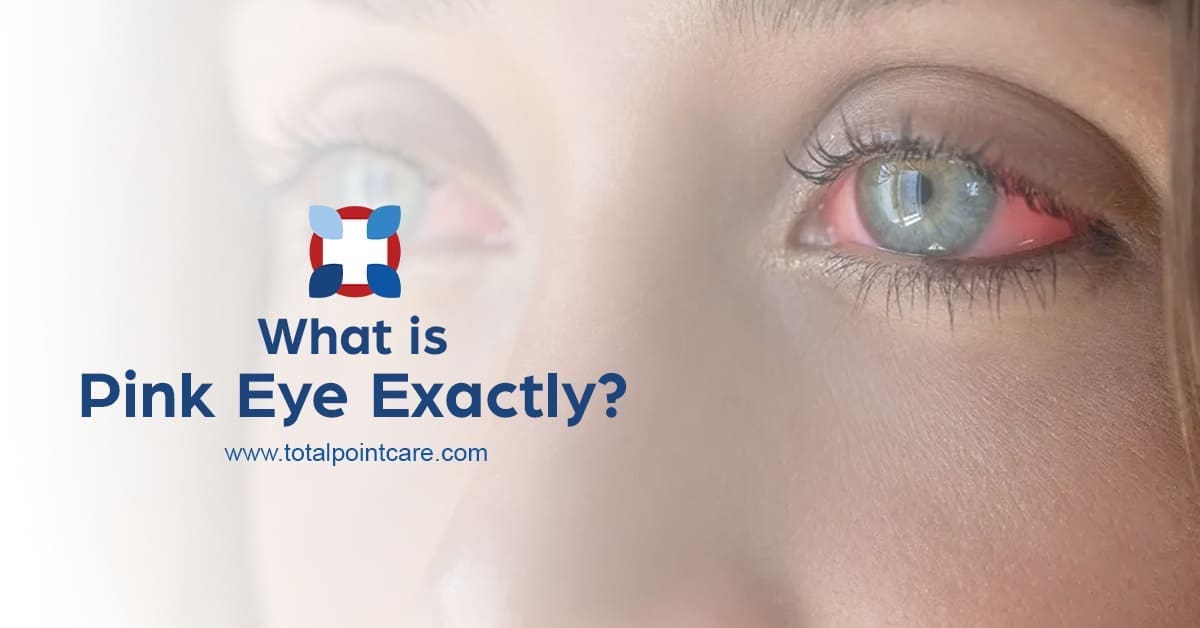
Pink eye is inflammation of the conjunctiva—the clear, thin tissue that covers the white part of your eye and lines the inside of your eyelids. When it gets irritated or infected, it swells, gets red, and might produce discharge. That’s your typical pink eye picture.
The most common causes of pink eye include:
- Viral: Common and highly contagious. Usually part of a cold or respiratory infection. Eye discharge is more watery than thick.
- Bacterial: Also contagious, but caused by bacteria. Often, thick discharge.
- Allergic: Triggered by allergens. Not contagious. Itching is predominantly associated.
- Other causes include chemicals, smoke, dust, contact lens wear, and foreign bodies in the eye, like a loose eyelash.
The symptoms overlap a lot—redness, watery or sticky eyes, itching, and crusting in the morning. Most cases get better in a week or so. That’s the usual.
But not always.
So, Can Pink Eye Cause Vision Damage?

According to the Centers for Disease Control and Prevention (CDC), most conjunctivitis resolves without long-term effects, but when the cornea becomes involved (keratitis), there’s a risk of permanent vision damage.
But complications do happen. Especially if the infection spreads farther into the eye, is severe, or is not treated. Your cornea, the transparent dome that covers your pupil, may become involved. When it does, that’s where vision issues may begin.
Additionally, some people are more vulnerable, people who wear contact lenses, people whose immune systems are compromised, or children who repeatedly rub their eyes without understanding that doing so worsens the condition.
Possible Complications That Can Affect Eyesight
While the pink eye is usually mild and temporary, complications can occur, especially when it’s left untreated or spreads beyond the outer layer of the eye. Below are some possible issues to be aware of:
Corneal Inflammation (Keratitis):
Keratitis may result if the pink eye spreads to your cornea. This may result in pain, light sensitivity, blurred vision, or a rough sensation in the eye. It could cause scarring if left untreated.
Corneal Scarring:
Though uncommon, corneal scarring can occur, especially with untreated or severe bacterial infections. It can permanently affect your vision, even with glasses or contacts.
Chronic Conjunctivitis:
Some people’s pink eye never completely goes away or keeps returning. Long-term sensitivity and discomfort may result from this constant irritation.
Newborn Complications:
Pink eyes in infants can be a serious sign. It can result in long-term harm if treatment is delayed. A newborn should see a doctor immediately if they have symptoms of pink eye.
Contact Lens-Related Issues:
Wearing contacts during pink eye can worsen the infection. The safest course of action is to switch to glasses until you recover.
Warning Signs: It Might Be More Than Pink Eye

Most pink eye cases are self-limiting. But if you notice any of the following, don’t wait it out:
- Eye pain that ranges from moderate to severe
- Changes in vision, such as halos or blurring
- Unusual sensitivity to light
- Swelling around the eye
- Symptoms lasting more than 1-2 weeks
- Discharge that keeps coming back
Also, if your pink eye came after trauma to the eye, or if you’ve recently had eye surgery, play it safe and get checked.
How to Reduce the Risk of Complications?
There’s no guaranteed way to prevent every issue, but some basic habits can make a big difference:
- Don’t wear contact lenses during an infection: Give your eyes time to recover.
- Use medications exactly as prescribed: Avoid stopping too soon or skipping doses.
- Keep your hands and face clean, especially if you’re dealing with kids.
- Don’t share towels, makeup, or anything that comes into contact with your eyes.
- See your ophthalmologist if symptoms worsen or persist for more than 1-2 weeks.
Learn More: How to Prevent Pink Eye: Essential Tips to Keep Your Eyes Safe
Can You Treat Pink Eye at Home?
Sometimes, yes. If symptoms are mild and allergy-related or part of a cold, you might manage just fine with warm or cool compresses, artificial tears, and a little patience.
However, home care has its limitations.
It’s wise to have your healthcare provider examine you if there’s a chance that the infection is bacterial or if your symptoms fall into the “this feels different” category. Today, something that seems like a small inconvenience can quickly become a bigger problem.
When to See a Doctor?
It’s really important to seek medical attention if you’re experiencing any changes in vision, significant eye pain, or increased sensitivity to light. The eye is sensitive; a minor infection can become a more serious issue if you wait too long.
Additionally, if you belong to a high-risk group, such as those who are immunocompromised, wear contacts, are caring for a newborn, or have recently had eye surgery.
Important Note for Parents and Caregivers:
Newborns are especially vulnerable to eye infections. If your baby shows symptoms of pink eye, it’s important to have them seen by a medical provider without delay.
We Can Help: Total Point Urgent Care
At Total Point Urgent Care, we understand how easy it is to downplay pink eye until it starts interfering with your daily life. That’s why we offer convenient, fast care options.
Whether it’s a mild infection or something that just doesn’t feel right, our experienced medical team is here to evaluate your symptoms, answer your questions, and guide your recovery.
We welcome walk-ins with no appointment needed, provide telehealth services for care from home, and offer affordable wellness membership plans to support your ongoing health.
We provide quick, reliable, and affordable treatment at our urgent care locations across Texas.
- Abilene West, TX
- Abilene East, TX
- Athens
- Corsicana
- Daingerfield
- Ennis
- Hallsville
- Lindale
- Mansfield
- Allen
- Whitehouse
- Jacksonville
- Wheatland (Dallas)
as well as in Missouri,
FAQs
Can pink eyes cause permanent vision loss?
Rarely, yes. Especially if the infection is not adequately treated or spreads to the cornea.
Is pink eye always contagious?
Bacterial and viral types are. Pink eyes caused by allergies or irritants are not.
Should I wear contacts if I have pink eyes?
No, use glasses until the infection goes away. Contacts may trap bacteria or exacerbate irritation.
How do I know if my pink eye needs medical treatment?
Consult a healthcare professional if you experience pain, blurred vision, light sensitivity, or symptoms that remain for more than a week.
Can I get pink eyes from allergies?
Yes. Allergic conjunctivitis is common, especially during high pollen seasons. It’s not contagious, but it can be just as uncomfortable.
References:
https://www.cdc.gov/conjunctivitis/signs-symptoms/index.html

Related Articles